Coaching & Support For Teens With ADHD
Here, your teen will find practical support, real strategies, and a coach who truly understands how their brain works. I help them figure out their best next step so they can move forward with more confidence, and so life feels lighter, brighter, and a lot more manageable.
For Many Teens with ADHD, Life Can Feel Like This:
School feels harder than it should
They want to stay on top of things, but their brain keeps pulling them in a hundred directions.
Deadlines sneak up, emotions feel big, and anxiety creeps in when everything starts to pile up.
Sometimes they feel stuck, unsure where to start or how to catch up.
They wonder why everyone else seems to have it figured out.
They’re trying, it just feels exhausting.
What Support Does Your Teen Need?
Every teen with ADHD is different, but these are some of the areas where coaching can make a real difference.

Confidence:
Learning to see their strengths, not just their struggles, and building a sense of pride in who they are.

Organisation:
Developing systems to manage schoolwork, and responsibilities without feeling overwhelmed.

Managing Anxiety & Overwhelm:
Understanding how their nervous system works and using tools to calm their body and mind when things feel too much.

Emotional Regulation:
Learning how to pause, name emotions, and respond rather than react when feelings get big.

Motivation & Follow-Through:
Finding strategies that make boring or difficult tasks more interesting and rewarding.

Develop Executive Function Skills:
Executive function skills are teachable! Teens learn ESSENTIAL, ADHD friendly ways to improve executive functions.
Coaching for Teens with ADHD
Helping teens build confidence, independence, and focus, one small win at a time.
Coaching gives teens a calm, supportive space to understand their ADHD and build independence, confidence, and emotional awareness. Together, we focus on helping them:
Develop practical tools to improve focus, motivation, and organisation, at school and in daily life.
Understand and manage anxiety, worry, and overwhelm with calm, realistic strategies.
Build self-awareness and confidence so they feel capable, proud, and ready to handle life’s challenges.
What Your Teen Will Receive
Tools and Support Made Just for Teens
Your teen will receive simple, ADHD-friendly tools and e-books they can use straight away, practical supports designed to make daily life feel easier and more doable.
Planners, trackers, and brain-based strategies to support focus, organisation, and motivation.
Easy-to-use tools and routines that help build structure, independence, and confidence.
Resources that last beyond our sessions, supporting your teen as they grow in self-awareness and resilience.
Each resource is thoughtfully created to empower your teen and help them feel capable, calm, and proud of who they are.
How I Help Teens With ADHD
Parents and teachers want the best for teens with ADHD, that’s never in question. But many don’t realise these teens aren’t lacking motivation or willpower; they just need help understanding how their brain works, and strategies that make everyday life smoother.
Coaching gives your teen a space to pause, reflect, and learn at their own pace. We work on practical strategies, emotional awareness, and confidence, helping them see that ADHD isn’t a sign of something wrong, but a different wiring that can be understood and supported.
You’re already doing so much; coaching simply adds another layer of calm, clarity, and support.
I help teens build realistic systems, strengthen executive function skills, and feel more confident managing their time, schoolwork, and emotions.
Most of all, I become another supportive person in your teen’s corner, cheering them on, helping them problem-solve, and reminding them that their ADHD brain is full of potential. Together, we create a team around your teen that helps them feel understood, capable, and confident. (And yes, I tend to become a bit of a proud virtual aunty along the way!)
Why an Outside Voice Can Make a Difference
Teens often take things in differently when it comes from someone outside the family.
Coaching provides that neutral space, where they can reflect, learn practical tools, and start to believe in their own abilities. It works best as a partnership: you continue offering love and structure at home, while I guide them in building confidence and self-awareness.
If you know your teen is feeling (or looking stuck) - let's chat!
Why Teens With ADHD Are My Jam
My interest in ADHD began after my own diagnosis, but looking back, it made so much sense.
As a teacher, I’d always found it easy to connect with the kids who struggled, whether it was with learning, anxiety, behaviour, or sometimes all three. I could see how hard they were trying, even when it didn’t look that way from the outside. That curiosity and compassion naturally grew into a desire to understand what was really going on beneath the surface.
A few years later, my son was also diagnosed with ADHD. When he was finishing high school, motivation, prioritisation, and organisation were daily battles. I nagged, I bribed, I tried everything to help him keep up. If only I’d known there was a different way.
Now, as an ADHD Life Coach, I bring together my years of teaching experience and my lived understanding of ADHD to support teens and families in practical, encouraging ways, helping them find what works for their brain, and to feel more capable and understood.
Each Session Is Designed To:
Equipping you with the knowledge and tools to help every ADHD learner thrive.
ADHD education sessions give teachers the insight and tools to support neurodivergent learners with empathy and confidence. Together, we explore how to:
Help them notice what’s actually getting in the way, whether it’s focus, overwhelm, anxiety, or motivation.
Teach ADHD-friendly tools for planning, studying, and managing emotions.
Build self-awareness, calm, and confidence that lasts far beyond coaching.
I use warmth, humour, and real-life examples to make the strategies stick. Teens often tell me it’s the first time they’ve felt truly understood, like someone finally 'gets' how their brain works.
It’s not about perfection; it’s about progress, confidence, and self-compassion.
How ADHD Coaching Supports Teens with Real-Life Struggles
Coaching isn’t about forcing change, it’s about creating space to grow.
I work with young people who feel overwhelmed by school, stuck in procrastination, easily distracted, or frustrated that their best never seems to be 'enough.'
In weekly sessions, we focus on real-life challenges: getting started on homework, managing emotions, handling friendships, organising time, and learning to self-regulate in ways that actually make sense for their ADHD brain.
Through coaching, teens begin to understand how their brain works: why some things feel harder (or easier), and which strategies truly help. Together, we explore tools that build confidence, motivation, and self-awareness in ways that feel doable and supportive.
Sessions are calm and welcoming, a space where your teen can take their time, feel heard, and reflect. Many describe it as a relief to talk with someone who just gets how their brain works.
Practical Tools & E-Books
Along the way, I share ADHD-friendly resources like workbooks, templates, and checklists, simple tools your teen can use between sessions to feel more capable and in control.
Each resource helps your teen build self-awareness, independence, and confidence, giving them the skills to take ownership of their routines, emotions, and goals long after coaching ends.

Why is motivation so hard? → Why motivation is so hard for ADHD brains
This guide shows you simple, ADHD-friendly ways to get started, keep going, and actually finish things.

Attention in class
→ Why staying focused in class is hard for ADHD brains
Learn why focusing is hard for ADHD brains, and the easy things you can do to stay switched on in class.
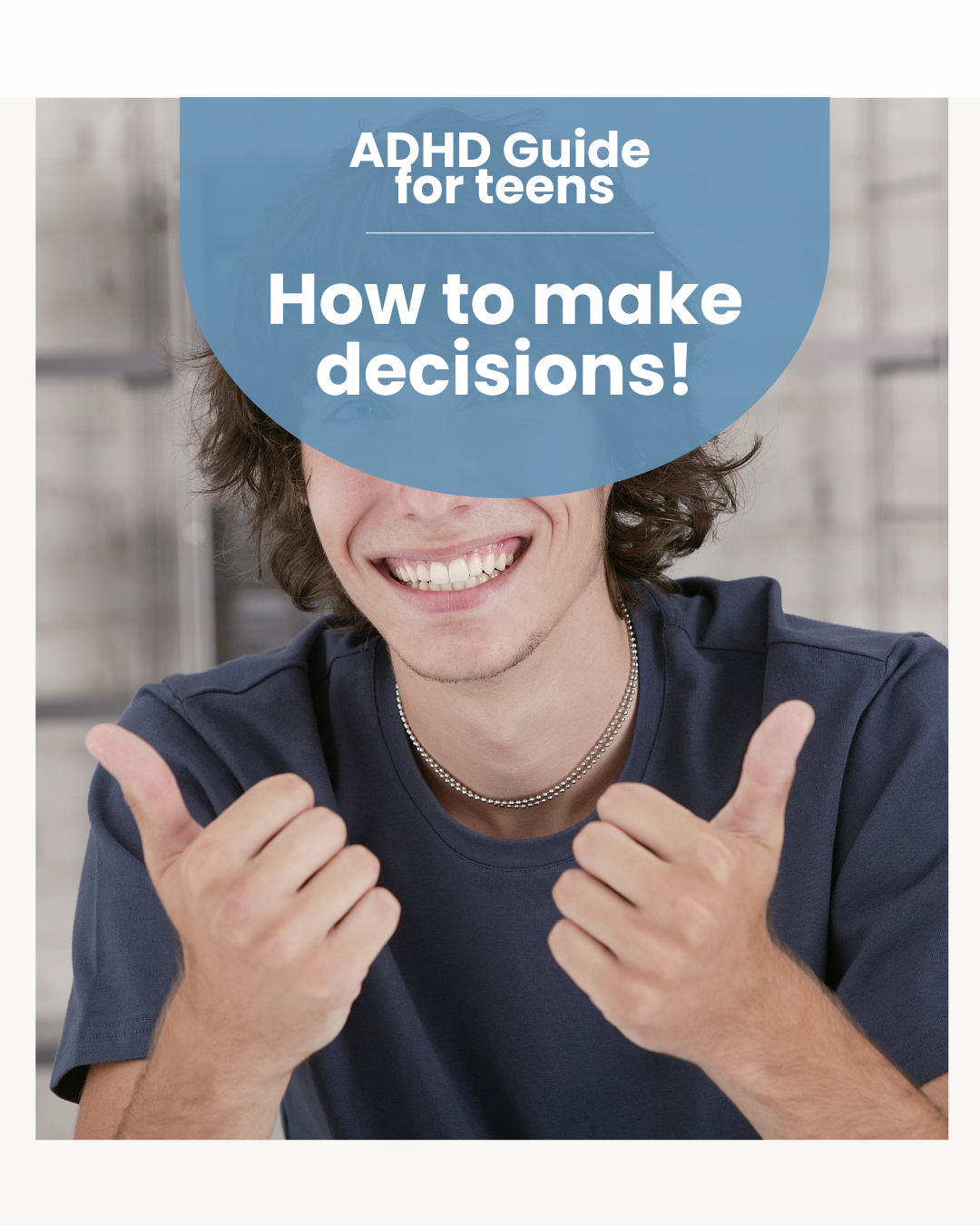
Making decisions can be a challenge for ADHDers
→ Why decision-making feels hard for ADHD brains
Easy tools to help you make choices, big or small, without feeling overwhelmed or second-guessing everything.
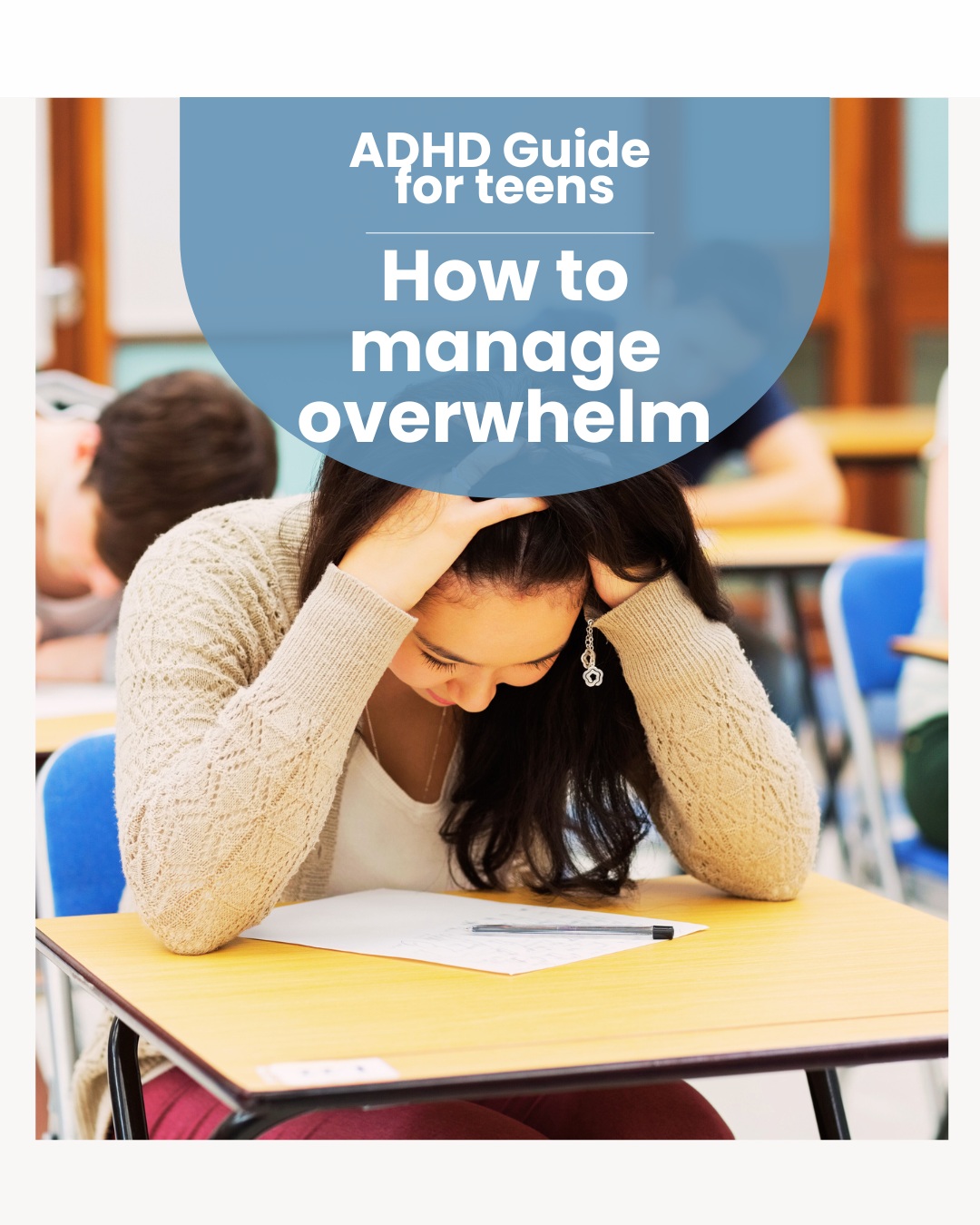
Feeling overwhelmed?
→ Why overwhelm happens, and what you can do about it
This guide helps you understand what’s going on inside your ADHD brain, and what to do to feel grounded again..

How to Prioritise
→Why everything feels urgent, and how to decide what to do first.
When everything feels urgent, prioritising can feel impossible. This guide breaks it down into simple steps that make sense for ADHD brains.

How to Get Started
→Why starting is the hardest step, and how to make it easier.
Getting started is the hardest part. This guide shows you simple ways to beat the block and take the first step.
Coaching That Comes to You Anywhere in Australia
I’m based in Melbourne, Australia, but thanks to Zoom, I work with clients all over Australia. This means I can provide coaching different locations including:
ADHD Coach - Sydney
ADHD Coach - Brisbane
ADHD Coach - Perth
ADHD Coach - Canberra
ADHD Coach - Adelaide
Parent Testimonials:
The Impact of ADHD Coaching on Their Teen’s Life
practical support | real strategies | a coach who gets how your brain works | practical support | real strategies | a coach who gets how your brain works | practical support | real strategies | a coach who gets how your brain works | practical support | real strategies | a coach who gets how your brain works | practical support | real strategies | a coach who gets how your brain works | practical support | real strategies | a coach who gets how your brain works | practical support | real strategies | a coach who gets how your brain works | practical support | real strategies | a coach who gets how your brain works | practical support | real strategies | a coach who gets how your brain works | practical support | real strategies |
Frequently Asked Questions:
Find answers to commonly asked questions about ADHD coaching for teens
What happens in an ADHD coaching session?
We set clear goals: I help teens define achievable goals that are realistic and specific to their needs, so they have a direction to work toward.
We create tailored strategies: Together, we develop practical tools to manage ADHD-related challenges like focus, organisation, time management and emotional well-being.
We highlight their strengths: I focus on what they’re naturally good at and use those strengths to create personalised solutions for the obstacles they face.
We build skills: I teach them essential executive function skills, such as planning, prioritising tasks, and managing their time effectively.
We reflect and stay accountable: Each session, we review their progress, celebrate their wins, and identify areas for growth to keep them on track.
What’s the difference between an ADHD Life Coach, Psychiatrist, Psychologist, and Counsellor?
As an ADHD Life Coach, I support teens in a way that blends practical skill-building with deep self-understanding, emotional awareness, and compassion.
My approach is warm, trauma-informed, and IFS-informed (when it aligns with the teen).
My work goes far beyond executive function skills. I help teens understand their brain, their emotions, and their inner world so they can feel more confident, capable, and in control.
Here are the areas I support teens with:
Practical, everyday ADHD challenges
*Executive function support
*Study habits and homework systems
*Time-management and organisation
*Motivation, consistency, and routines
*Planning, prioritising, and reducing overwhelm
Emotional development + nervous system support
*Understanding and regulating big emotions
*Managing anxiety and worries, especially when linked to ADHD
*Reducing shame and negative self-talk
*Building emotional literacy and inner awareness
IFS-informed + trauma-informed support (when appropriate)
Helping teens understand their “parts” (e.g., the avoidant part, the overwhelmed part, the perfectionistic part)
Developing curiosity and self-compassion
Supporting teens to respond rather than react
Creating a safe, non-judgmental space where they feel understood, validated, and held
Strengths, identity, confidence + wellbeing
*Building self-esteem and self-belief
*Identifying character strengths
*Growing confidence in school, friendships, and life
*Developing self-advocacy skills
*Encouraging gratitude, reflection, and positive momentum
Coaching is future-focused, practical, and action-oriented. It’s about helping your teen take small, doable steps that create real change, without analysing or reprocessing the past.
I don’t diagnose or treat mental health conditions, but I happily work alongside psychologists, GPs, psychiatrists, and schools to ensure your teen feels fully supported.
***************************************************************************
What does a Psychiatrist do?
A psychiatrist is a medical doctor who:
*Diagnoses ADHD and other neurodevelopmental or mental health conditions
*Prescribes and manages medication
*Monitors symptoms and side-effects
*Approaches ADHD from a medical and diagnostic perspective
They’re essential when medication is part of a teen’s treatment plan but don’t typically provide weekly support, coaching, or practical strategies.
***************************************************************************
What does a Psychologist do?
A psychologist focuses on mental health, emotional wellbeing, and therapeutic support. They may:
*Assess for ADHD (depending on their training)
*Provide therapy for anxiety, depression, trauma, self-esteem, etc.
*Help teens process past experiences
*Use therapeutic frameworks (CBT, DBT, ACT, etc.)
Where psychology is therapeutic and insight-focused, coaching is practical, skills-based, and forward-moving.
**************************************************************************
What does a Counsellor do?
A counsellor offers a safe, reflective space for teens to:
*Talk through worries, emotions, relationships, and challenges
*Build self-understanding
*Process difficulties
*Receive emotional support
Counsellors support wellbeing and coping, whereas coaching focuses on action, strategies, and day-to-day change.
Are sessions fully online, or do you offer in-person coaching?
All sessions are 100% online, which means your teen can join from anywhere, all they need is a quiet space, a device, and an internet connection.
However, if you’re based in Melbourne and your teen would benefit from a couple of initial sessions in person, I’m happy to offer this depending on my workload and availability.
Hey Trudy, what are you qualifications?
I have a degree in education and a diploma in teaching, with over 25 years of experience as a teacher and literacy intervention specialist. I completed my ADHD coach training at The International ADHD Coach Training Center, an ICF Accredited Coach Training Organization. I'm also an associate member of AADPA (Australian ADHD Professional Association), which keeps me connected with the latest research and best practices in supporting individuals with ADHD
How long are sessions, and how often?
Individual coaching sessions run for 30–45 minutes. If your teen has the focus and energy to stay online for the full 45 minutes, we absolutely make the most of that time. However, many teens benefit from shorter, sharper sessions, it really depends on how they’re feeling on the day. It's best not to keep them online just for the sake of an extra 5–10 minutes after we’ve already had a productive session. Weekly sessions are ideal. Meeting weekly helps build momentum and gives your teen consistent support, guidance, and accountability, which makes the strategies we work on much more effective.
Will I receive updates on my teens progress?
ADHD coaching sessions are confidential between your teen and me. However, there will be times when your teen may need your support with implementing the strategies we’ve planned. Coaching is designed to complement other forms of support but isn't a substitute for professional medical advice, diagnosis, or treatment. My role is to help your teen develop practical strategies and behaviours to manage their ADHD more effectively and confidently.
How will ADHD coaching help my teen?
ADHD coaching gives your teen a safe, supportive space where they can understand their brain and learn practical strategies that actually work for them. I meet your teen exactly where they’re at, no pressure, no overwhelm, and we move at a pace that feels right for their nervous system.
It’s essential that they feel comfortable in our sessions. Many teens tell me they often feel like they can’t keep up, or they struggle with big emotions, or they’re constantly trying to meet expectations that don’t match how their brain works. In coaching, they’re held, understood, and supported.
Together, we build confidence, develop tools for daily life, and help your teen feel more capable, calm, and in control.
Below are the areas most teens need support with, and where coaching really helps:
Improves focus and organisation: Coaching helps your teen develop tools to stay organised and focused on tasks, both at school and home.
Builds time management skills: Your teen will learn how to better manage their time, set priorities, and meet deadlines more effectively.
Boosts confidence: Coaching encourages your teen to recognise their strengths and use them to overcome challenges, building self-confidence.
Supports emotional regulation: Teens learn strategies to manage emotions like frustration, overwhelm, and anxiety in a healthy way.
Encourages self-advocacy: Coaching empowers your teen to communicate their needs, ask for help, and take ownership of their ADHD management..
How much is the investment for my teen to work with you?
Sessions start from $195 plus GST. This includes the coaching session itself, as well as any e-books or resources I share with your teen to support their learning between sessions.
I’m always happy to set up a payment plan that works for your family. My goal is to make coaching accessible, supportive, and sustainable so your teen gets the most out of our work together.
How many one-on-one coaching sessions do you recommend?
This is a great question! It's a bit tricky to answer because every teen is unique, with their own set of challenges and strengths. On average, most of my teen clients benefit from around 20 weekly one-on-one sessions to start with. After that, we usually move into fortnightly sessions as they begin to feel more confident and develop their skills.
However, the exact number of sessions will depend on your teen's individual needs and progress.
How can I describe what ADHD coaching is to my teen?
A coach - and specifically me as your coach, is…
Someone who truly listens to you, celebrates your wins (no matter how small), and helps you work through the tricky moments without judgment.
Someone who’s always in your corner, offering steady support, gentle encouragement, and a space where you can be yourself while navigating school, friendships, and life.
A partner in figuring out what actually works for your brain, whether it’s staying organised, building confidence, getting homework done, or managing big feelings.
Someone who helps you discover tools that feel doable, so you can feel more in control, less overwhelmed, and ready to take on things one step at a time.
In a nutshell - as a coach, I’m here to support you, guide you, and share information in a way that you can easily understand. I’m kind, non-judgmental, and I create a safe space for you to talk openly with someone who truly understands ADHD.
Together, we can make life feel less overwhelming and build a plan to make things easier, one small, manageable step at a time.
Do you use the IFS (Internal Family Systems)–informed approach with teens?
Yes, I use an IFS-informed approach with teens, but in a way that feels developmentally appropriate, gentle, and easy for them to understand. I don’t use heavy clinical language or deep therapeutic processes. Instead, I help teens get to know the different 'parts' of themselves, like the overwhelmed part, the angry part, the perfectionistic part, or the part that wants to avoid everything, in a way that feels safe, relatable, and empowering.
Teens actually connect with this approach really well. It helps them:
*understand their big emotions
*feel less broken or “wrong”
*separate themselves from their reactions
*build self-compassion
*learn practical ways to respond rather than react
IFS-informed coaching gives teens a framework to understand why they feel the way they do and how to support the parts of them that are struggling. It’s gentle, non-judgmental, and often gives them language they’ve never had for what’s going on inside.
This approach is incredibly empowering because it helps teens separate who they are from what they struggle with.
Many teens assume they are the problem, that they’re lazy, failing, or not trying hard enough.
IFS helps them see something different:
➡️ They are not the procrastination.
➡️ They are not the anxiety.
➡️ They are not the overwhelm.
These are simply parts of them trying to protect, soothe, warn, or help in some way.
When teens learn to understand these parts with curiosity rather than shame, something shifts:
*shame softens
*confidence grows
*compassion increases
*emotional awareness develops
*they feel calmer, more in control, and far less alone inside their minds
IFS gives them a way to understand why they react the way they do, and that creates space for change, choice, and self-leadership.
↓ MY GIFT TO YOU
Get This Amazing Free Resource!

The #1 tip to beginning a new school year
Teens love simple, fast, zero-fuss ways to get organised - and this is the #1 ADHD-friendly tip I teach at the start of every year.

Teens Can Start Their School Year Feeling Organised
In this free guide, teens learn WHY using colour works so well for their brain (and why it instantly makes school feel less overwhelming).
When they understand the why, their brain goes:
“Ohhh… that actually makes sense. I can do that.”
Part One of a Three-Part E-Book Series
This freebie is the first chapter of a practical, clear, ADHD-smart system designed to help teens feel organised, confident, and ready for the year.
Usually $7
Yours FREE!
View our Privacy Policy and Terms and Conditions here.
© Thriving Minds Coaching 2026. All Rights Reserved.

